Asian Cat Statue Lucky Money Animal: A Designer's Guide to Cultural Charm
In the world of design assets, finding an element that carries deep cultural meaning and immediate visual impact is rare. The Asian Cat Statue Lucky Money Animal is one such asset. More than just a simple illustration, it's a vector symbol steeped in tradition, known globally as the Maneki-neko or beckoning cat. For designers, marketers, and creators, this isolated asset offers a powerful way to inject prosperity, charm, and a distinct aesthetic into a project. Its clean lines and symbolic weight make it a versatile tool, whether you're building a brand identity, crafting social media graphics, or designing unique packaging.
Visual Character and Symbolic Appeal
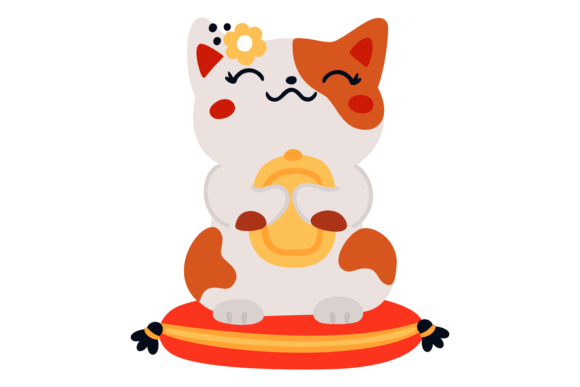
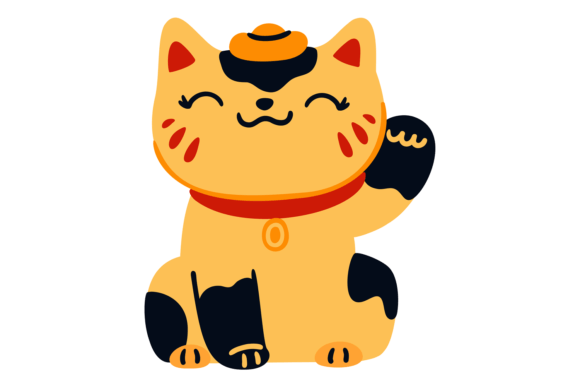
At its core, the Asian Cat Statue Lucky Money Animal is a masterclass in symbolic design. The visual is instantly recognizable: a stylized cat, often with a calico or tricolor pattern, sitting upright with one paw raised in a persistent beckoning gesture. This isn't a random pose; it's a deliberate call to fortune, customers, or good luck. Key details are never arbitrary. The coin (koban) held in its paw or placed at its feet represents wealth. The bell or collar signifies a pet, implying the cat is "owned" by prosperity itself. The red bib (yodarekake) is a traditional adornment for protection and good health.
As a design element, its personality is multifaceted. It feels traditional yet playful, auspicious yet approachable. The style can range from highly ornate, with intricate patterns and shading, to a more modern, minimalist outline. This adaptability is its strength. Isolated on a white background, as provided in EPS and JPG formats, it becomes a clean, scalable component ready for integration. It doesn't just sit on a page; it communicates a story of welcome and abundance, making it far more potent than a generic decorative flourish.
Strategic Applications Across Creative Projects
Understanding where to deploy the Asian Cat Statue Lucky Money Animal is key to leveraging its full potential. Its applications span a wide creative spectrum, each with different strategic goals.
For Branding and Logo Design: This asset can anchor a brand identity for businesses that want to convey luck, prosperity, or Asian-inspired hospitality. Think of a sushi restaurant, a tea house, a fintech startup focused on savings, or a boutique selling curated goods. The cat statue becomes a memorable mascot, enhancing brand recognition far more effectively than a generic icon. It works beautifully as a primary mark or as a secondary symbol for stamps, watermarks, and packaging seals.
In Marketing and Digital Media: The visual's inherent positivity makes it perfect for campaigns. Use it in social media graphics to announce sales ("Lucky Deals Inside!"), celebrate milestones, or simply add a hook of cultural charm to an Instagram story. In web design, it can serve as an engaging loading icon, a favicon, or a decorative element in the header or footer of a site targeting a global audience. Its positive connotation can subtly boost audience engagement and create a warm, welcoming digital environment.
For Publishing and Editorial Work: In editorial design, the statue can break up text-heavy layouts. Imagine it as a spot illustration in a magazine article about travel, business, or culture. For bloggers and content creators, it's a ready-made graphic for a post about New Year's traditions, goal-setting, or entrepreneurship. Its story-rich nature provides built-in content, allowing you to write about its meaning and connect with readers on a deeper level.
Packaging and Physical Products: Here, the Asian Cat Statue Lucky Money Animal truly shines. Applied to product packaging, it instantly communicates value and care. A craft beer with a stylized cat on the label, a coffee bag with a small beckoning cat seal, or a gift box adorned with the image all benefit from its auspicious message. For crafters and hobbyists, it's a fantastic motif for stickers, stamps, T-shirt designs, and ceramic decals, allowing for the creation of products with a cohesive and appealing theme.
Practical Guidance for Designers and Creators
Integrating a powerful graphic like this requires thoughtful execution. Here’s how to approach it with professionalism.
Evaluating Fit and Font Pairing: The statue's style dictates its typographic partner. A more ornate, traditional version pairs well with a serif font or a sophisticated script font to enhance its classic feel. A minimalist, modern outline might look best with a clean sans serif font, creating a contemporary fusion. The goal is visual harmony. The typeface should complement the cat's personality, not compete with it. Always consider the overall brand identity or project mood you're trying to establish.
Leveraging the File Formats: The provided EPS and JPG files are your workhorses. The EPS file is a premium font equivalent in the vector world—it's infinitely scalable. Use it for large-format printing, intricate logo work, or any situation where you need to edit paths or change colors. The JPG is ideal for quick use in digital layouts, social media, or mockups. Having both formats is a significant advantage, ensuring you're covered for any application, from a tiny favicon to a billboard.
Color and Context Considerations: While traditional colors are red, white, and gold, don't be afraid to adapt the palette to fit a modern brand. A monochrome version in black or a deep navy can feel very chic. The key is consistency. Once you choose a color treatment, use it across all touchpoints to build recognition. Also, consider the context of its gesture. The raised left paw traditionally invites customers (good for business), while the raised right paw invites money and good fortune. This subtle detail can add another layer of intention to your design.
Commercial Use and Authenticity: When using such a culturally significant symbol, it's wise to approach it with respect. While it's a widely recognized and commercialized icon, understanding its origins enriches your work and prevents unintentional missteps. Ensure you have the proper commercial license for the asset, especially for client work or products for sale. This protects you legally and ensures the original creator is credited for their work.
The Asian Cat Statue Lucky Money Animal is more than a clip-art graphic; it's a culturally resonant design asset with a clear voice. By understanding its visual language, strategic applications, and best practices for implementation, you can transform it from a simple image into a cornerstone of a compelling, professional, and engaging creative project. It offers a rare blend of aesthetic appeal and built-in narrative, making it a valuable addition to any designer's toolkit.