Be Kind Card: Happy Turtle Design for Gentle Branding
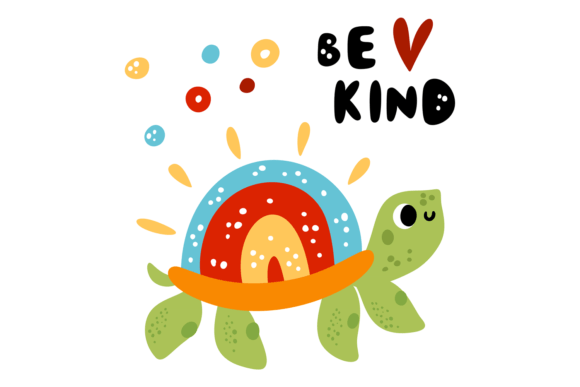
There is a specific feeling you get when you look at the Be Kind Card. Happy Turtle. Cute Animal design. It is not just about seeing a turtle; it is about feeling a sense of calm and warmth. In the world of graphic design and brand identity, we often chase bold, loud visuals to grab attention. However, there is immense power in softness. This vector illustration captures a moment of pure, unadulterated joy. The "Happy Turtle" isn't just a graphic; it is a visual representation of patience and positivity. For designers, marketers, and entrepreneurs, understanding how to wield this specific type of cute animal aesthetic is a game-changer for connecting with audiences on an emotional level.
The Psychology of the "Happy Turtle" Aesthetic
Why does a cartoon turtle work so well? It comes down to psychological association. Turtles represent longevity, protection, and a steady pace. When you combine that with a "Happy" expression and a "Be Kind" message, you create a powerful tool for brand perception. This design asset isn't just a doodle; it is a strategic element for brands that want to appear approachable and trustworthy. Unlike aggressive, high-contrast sans serif marketing, this illustration invites the viewer in rather than shouting at them.
Visually, the Be Kind Card. Happy Turtle. Cute Animal style relies on soft lines and likely a warm, inviting color palette. It falls into the category of modern illustration that prioritizes character over complexity. For small business owners and content creators, this image serves as a visual anchor. It tells your customer, "We are safe here. We are friendly." This is particularly vital in industries like wellness, education, children's products, and sustainable goods. Using this vector illustration in your packaging design or web design instantly humanizes your digital presence.
Strategic Applications for Designers and Marketers
Knowing where to deploy the Happy Turtle is just as important as liking the image. Because this is a vector illustration (available in EPS and JPG formats), it is infinitely scalable. You can use the EPS version for large-format printing or the JPG for quick digital posts. Here is how different professionals can leverage this specific design asset:
- Social Media Graphics: In a feed full of noise, a cute, kind message stops the scroll. Use this for "Motivation Monday" posts or community engagement stories.
- Greeting Cards and Stationery: For crafters and hobbyists, this image is perfect for creating physical Be Kind Cards. The cute animal motif makes it ideal for thank-you notes or encouragement cards.
- Brand Collateral: If you are building a brand identity for a therapy practice, a daycare, or a non-profit, this turtle can become a mascot. It adds a layer of personality that standard serif fonts or corporate logos cannot achieve.
- Merchandise: Think about T-shirts, tote bags, or stickers. The "Happy Turtle" has a universal appeal that translates well to physical goods.
For publishers and bloggers, this illustration breaks up text-heavy pages. It acts as a visual palate cleanser, giving the reader's eye a rest while reinforcing a positive message. It is a subtle way to improve readability and user experience without cluttering the layout.
Integrating the Design into Modern Typography
A graphic is rarely alone; it usually lives alongside text. Pairing the Be Kind Card. Happy Turtle. Cute Animal illustration with the right typography is crucial for visual hierarchy. Because the illustration is likely whimsical and soft, you need type that complements it without competing.
Avoid heavy, industrial sans serif fonts that might clash with the turtle's friendly vibe. Instead, look for a modern typography approach. A rounded sans serif works well for headlines, offering a clean but friendly look. Alternatively, a handwritten font or a script font can amplify the personal, "card-like" feeling of the design. If you are using this for a more structured editorial design, a soft serif font with high readability can provide a nice contrast, grounding the whimsical image with a touch of authority.
When creating logo design elements or headers, treat the illustration as a lockup element. For example, place the "Happy Turtle" next to your brand name in a premium font. Ensure the sizing relationship is balanced—the illustration shouldn't overpower the text, but rather support it. This creates a cohesive brand identity that feels professional yet playful.
Practical Tips for Using the Vector Asset
Before you download and start designing, consider the technical execution. The value of a vector file (EPS) is that you can change the colors to match your specific brand palette. Don't just use the default colors if they don't fit your scheme. Open the file in Illustrator or a similar editor and adjust the hues to maintain brand consistency.
Also, consider the "negative space" around the turtle. When placing this image on a website or a printed card, ensure it has room to breathe. Crowding a cute animal illustration with too much text kills the friendly vibe. Let the "Happy Turtle" be the focal point of the composition. This approach ensures that the message of kindness—the core of the Be Kind Card concept—is clearly communicated to your audience.
Ultimately, the Be Kind Card. Happy Turtle. Cute Animal design is more than just a file; it is a communication tool. It bridges the gap between a brand and its audience through shared values of kindness and joy. Whether you are a marketer looking for engagement or a crafter making a personalized gift, this illustration provides the perfect blend of professionalism and heart. Use it wisely to create connections that last.