Turtle Hide in Shell: The Cute Scared Animal Font
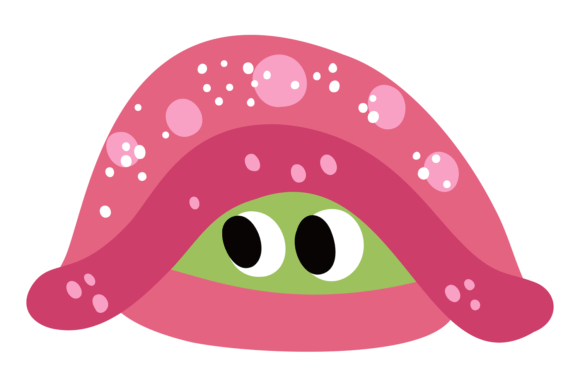
Sometimes a design needs a little personality, a touch of whimsy that breaks away from the seriousness of corporate fonts. Enter Turtle Hide in Shell, a typeface that captures the essence of a shy, adorable creature. This isn't just a collection of letters; it’s a character design in its own right. The visual language of this cute scared animal concept is defined by rounded terminals, slightly uneven baselines, and a structure that seems to curl inward, much like a turtle retreating into its safety zone. It strikes a balance between playful illustration and functional typography, making it a standout asset for creators who want to inject warmth and approachability into their work.
The Anatomy of Adorable Design
When you look at the visual characteristics of Turtle Hide in Shell, you see a deliberate design choice. The letters often feature soft, thick strokes that mimic the rounded, protective shape of a turtle's shell. There is a charming imperfection to the letterforms; they aren't rigid or geometric. Instead, they feel organic and hand-drawn, which immediately builds a connection with the viewer. This cute scared animal aesthetic works because it evokes empathy and affection. It’s a creative font that doesn't take itself too seriously, yet it maintains high legibility. Whether used in EPS vector formats for scalability or JPG for digital mockups, the character retains its distinct, endearing personality.
The style leans heavily into a modern, illustrative approach to typography. It functions almost as a display font, designed to catch the eye in headlines and logos rather than long-form body text. The "scared" element often manifests as slightly wide-set eyes or bashful expressions integrated into the capital letters, though in a standard typeface version, this translates to a bouncy, energetic rhythm. It is a fantastic example of how modern typography is evolving to include more emotion and storytelling.
Real-World Applications: Where Whimsy Wins
As a designer or entrepreneur, knowing where to deploy a premium font like this is crucial. You wouldn't use a script font for a technical manual, and similarly, Turtle Hide in Shell shines brightest where playfulness is a priority. Here is where this typeface truly excels:
- Children’s Products and Education: This is the natural habitat for a cute scared animal theme. Think packaging design for snacks, toys, or educational apps. The font suggests safety and fun, making it ideal for parents and educators.
- Brand Identity for Pet Services: If you are building a brand identity for a pet groomer, a doggy daycare, or a vet clinic focusing on small animals, this font sets a gentle, caring tone immediately.
- Blog Headers and Social Media Graphics: For bloggers and content creators in the lifestyle, parenting, or crafting niches, this font grabs attention in social media graphics. It stops the scroll because it feels different from the standard sans serif font or serif font options.
- Merchandise and Crafting: Crafters and hobbyists often look for unique design assets for T-shirts, mugs, and stickers. The isolated character nature of this font makes it perfect for merchandise that relies on a single, strong visual motif.
Strategic Typography: Influence on Perception
Choosing a font is a strategic decision. It influences how your audience perceives your brand before they even read the words. Using Turtle Hide in Shell communicates specific values: approachability, innocence, and creativity. It tells your audience that your brand is friendly and non-threatening. This is vital for small business owners trying to build trust with a local community.
However, you must consider visual hierarchy. Because this is a creative font with a strong personality, it demands to be the star of the show. It works best for logo design, H1 headers, and call-to-action buttons. If you try to use it for body text, you risk hurting readability. The charm of the cute scared animal design can become noise if overused. A good rule of thumb is to pair it with a clean, neutral sans serif font for the body copy. This contrast allows the display font to pop while keeping the overall layout professional and easy to scan.
Practical Guidance for Implementation
For designers and marketers looking to integrate this asset into their toolkit, here is a practical checklist:
- Evaluate the Fit: Does your project require a serious, corporate tone? If yes, skip this font. But if you are designing for a startup, a creative agency, or a family-oriented brand, Turtle Hide in Shell could be the missing piece.
- Test Your Pairings: Download the asset and test it against a few different fonts. Try pairing it with a geometric sans serif font like Montserrat or a simple serif font like Lora. Look at how the x-heights align and how the weight of the strokes balances out.
- Check the Glyphs: A high-quality premium font usually comes with alternates, ligatures, and multilingual support. Check if the "scared" or "cute" elements are optional. Sometimes, a font includes a standard set for professional use and an illustrative set for graphic use.
- Review Commercial Licensing: This is critical. If you are a publisher or entrepreneur using this for a product that generates revenue, ensure you have the correct commercial license. "Free for personal use" does not cover client work or merchandise sales.
In the vast ocean of design assets, finding a font that has genuine character can be challenging. Turtle Hide in Shell offers a solution for projects that need to feel human, kind, and lighthearted. It reminds us that modern typography doesn't always have to be about sharp edges and minimalism; sometimes, the best way to communicate is with a little bit of shyness and a lot of charm. Whether you are working on web design, editorial design, or packaging design